Why peer support matters for healthy lawyers
In new research, lawyers have described assistance from peers and supervisors as more important to their wellbeing than access to employee assistance programs.



In new research, lawyers have described assistance from peers and supervisors as more important to their wellbeing than access to employee assistance programs.
Passion, logic and ethics is our firm’s ethos and, in my view, they are essential characteristics for anyone aspiring to excel as an advocate appearing…

The CCA discusses how childhood deprivation, youth and immaturity affect moral culpability, and the need for a nuanced approach to sentencing.

The NSW Government says there will be a major overhaul to the state’s correctional system with the goal of improving the management of the prison…

This month marks 10 years since the Australian Criminal Intelligence Commission was formed to unite state, federal and international partnerships. The focus was and remains…

Australia’s rapidly expanding hate laws raise concerns about subjectivity, constitutional limits and the challenges of enforcement across jurisdictions.

The Court questions the utility of a long-standing sentencing guideline judgment and clarifies the limits of consciousness of guilt reasoning at trial.
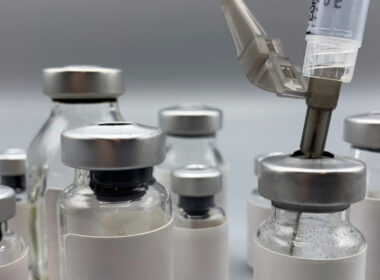
There is growing evidence that Australians are purchasing injectable peptides online using a legal loophole in which researchers can order these peptides for, nominally, the…

The use of private investigators by lawyers, especially in crime and fraud cases, is not without controversy, with some high-profile cases and inquiries into their…
Law Society of New South Wales President Ronan MacSweeney has called for a publicly available, long-term justice infrastructure strategy for the state.

The convergence of the roles of criminal and online influencer has gained the title “crimefluencer” or “crimfluencer”.
Recent NSWCCA decisions consider section 58 of the Crimes (Sentencing Procedure) Act 1999 and reaffirm that ‘special circumstances’ are neither rare nor exceptional.

SafeWork NSW data revealed that psychosocial hazards account for 19.5 per cent of complaints, as frequent a complaint as falling from heights.