By Francisco Silva -
"Wuthering Heights"
Director: Emerald Fennell
Writer: Emerald Fennell, based on the novel by Emily Brontë
Cast: Margot Robbie, Jacob Elordi, Hong Chau, Alison Oliver, Shazad Latif, Martin Clunes
Crime 101
Director: Bart Layton
Writer: Bart Layon, based on the novel by Don Winslow
Cast: Chris Hemsworth, Mark Ruffalo, Halle Berry, Nick Nolte, Barry Keoghan, Monica Barbaro
“Wuthering Heights”
Emerald Fennell’s “Wuthering Heights” (quotation marks included and essential to the title) arrives with the expectation of a million think pieces and TikTok posts made to drive engagement. The writer who stirred the pot of good sense in a cohort of film critics with Saltburn tackling her dream project in a hot adaptation of Emily Brontë’s gothic classic. For a filmmaker used to it, controversy abounds: Fennell casts the very Caucasian Australian actor Jacob Elordi to play the famously mixed-race Heathcliff, reportedly because she saw him one day on the set of Saltburn and he looked exactly like the picture in her copy of Wuthering Heights. Fennell adapting a beloved novel because of a teenage sexual epiphany is not unexpected, but the expectation to push the boundaries is high.
Maybe Fennell did it on purpose. Maybe the lesson was not to trust our expectations. In retrospect, she starts the film with a lesson like that. Over a black screen, even before the title, we hear the guttural, pure ecstasy grunts of a man. The audience laughs because everyone knows what’s coming, everyone knows what to expect. This is the filmmaker who did to bathwater what Luca Guadagnino did to peaches, surely it’s… oh, it’s a man being hanged. See the coyness of Fennell, the playful tease, is that she doesn’t want her audience to know what’s coming. She’s in control, she’s saying, not us.
Then why is everything else in this very loose adaptation so tame?
Brontë’s novel is the kind of classic so layered in meaning and depth that everyone has their own interpretation. It’s not just a tragic romance, it’s also about patriarchy, and the social divide, it’s about racism, toxic masculinity, healing femininity and a million other things. It’s dense; it spans a lifetime while being condensed into very few settings and characters. There’s our heroin, Cathy (Margot Robbie), in love with her foster brother Heathcliff (Elordi), but marries her wealthy neighbour Edgar (Shazad Latif) and moves to his palace with her housekeeper Nelly (Hong Chau) and Edgar’s sexually repressed sister Isabella (Alison Oliver). When Heathcliff returns wealthy and buys Cathy’s father’s (Martin Clunes) estate, they re-ignite the romance with a torrid affair that neither can, nor wants to control.
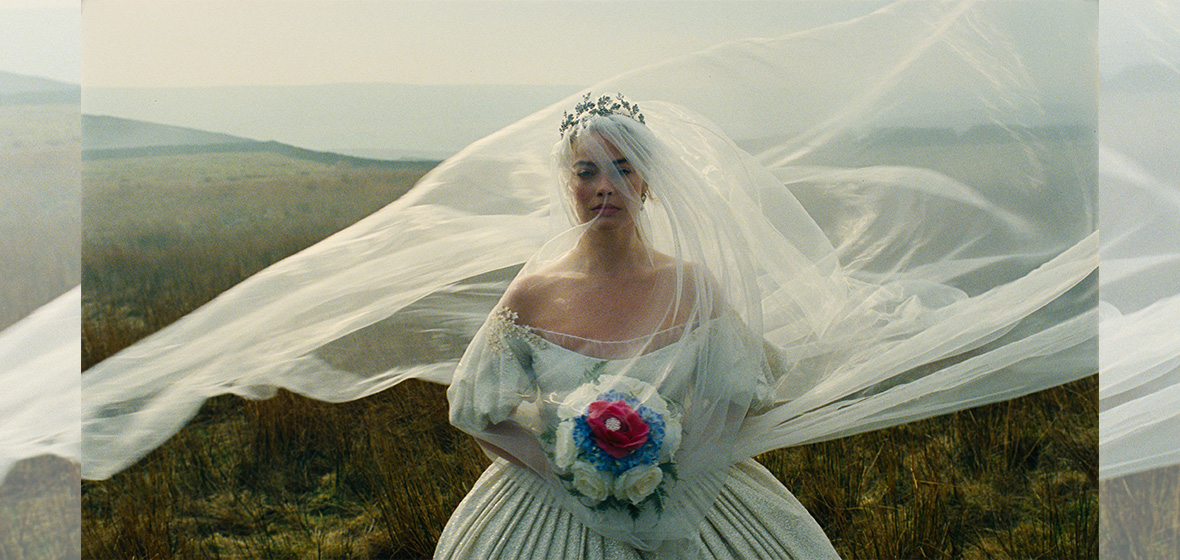
The promise of debauchery is grossly overplayed unless you’re easily rattled by Elordi whispering in animalistic grunts. The chemistry of the leads sells the romance well, but the physical actions don’t. Elordi plays Heathcliff like a mischievous Gregory Peck, and Robbie like a Gen-Z Vivien Leigh off Adderall. And it works, Fennell injects in the story a lavish and ecstatic aesthetic and modernity that feels like we’re watching exactly what this is, a product of its time.
The best comparison I have is Baz Luhrmann’s adaptation of The Great Gatsby, in the sense that Luhrmann also tackles a dense and layered novel, and reduces it to the one shallow detail he knows well – the romance. Fennell, above all, is mostly interested in the madness-driven obsession of Heathcliff and Cathy, who are portrayed here as horrible degenerates who match each other’s freak so profoundly that I doubt they would’ve been happy if they got together. “You like to see me cry,” Cathy tells Nelly, who responds, “not half as much as you like crying.” We’re all thinking it.
The problem is that Lurhmann’s adaptation was so focused that he made sure every element, from the pacing to the anachronistic music and the set design, complemented the one thing he wanted to say. Fennell isn’t as confident. The cinematography by Linus Sandgren ranges from beautiful contrasts of white, red, and green to cold, overexposed whites with either few shadows or distractingly wrong ones. The set design jumps from this chaotic but beautiful room with a motif of hands poking out the wall, to Cathy’s ugly room, inspired by her skin, that looks like something Buffalo Bill in The Silence of the Lambs would’ve designed. And it’s all made to repeat and highlight the very simple ideas Fennell takes from the book, as if she’s constantly reminding us what something means, but doesn’t explore that thought beyond the reminder. Case in point, a character who dies of alcoholism is found in a room with two comically large piles of comically large bottles. In case you missed what his vice was.
“Wuthering Heights” comes straight at the audience with the force of a sexually charged teenager whose focus and mood change depending on the day. The drama works because the story is good, even when stripped to its lowest common denominator. But it’s easy to be disappointed that a filmmaker with such a disobedient streak (I liked her two previous films precisely because of that) can end up being so tame when she gets the keys to the vehicle she most yearned for. And then proceed to drive it in second gear.
Verdict: 2.5 out of 5
For everyone who read Emily Brontë’s novel right after watching Cruel Intentions.

Crime 101
We used to live in a society where every other week you could go to the movies and catch a film of humble expectations. Stylistic genre pieces that didn’t impress the critics but pleased the audiences who bumped into them unassumingly. Back when every film had the potential to be the surprise of the year, or at least gather enough interest for a solid run in the rental market. It would have Tim Robbins or Barry Pepper, and be directed by a young go-getter who came directly from television or a small-budget indie darling, eager to show the studios they had the grit to lead a bigger production with some star power. Not every film was a juggernaut, a life-changing experience. In fact, the single fact of going to the movies was inherently life-changing, regardless of the film we were going to see. Bart Layton’s Crime 101 reminded me of those times, for better or for worse.
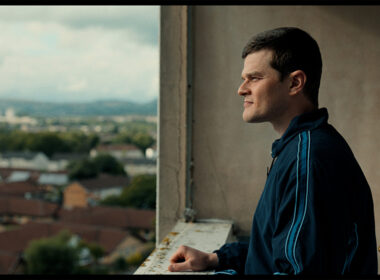
The main reference of this enjoyable neo-noir is Michael Mann’s magnum opus Heat. Like that film, it’s a modern neo-noir engraved in the urban landscape of Los Angeles. The soundtrack, by electronic British composer Blanck Mass, references Elliot Goldenthal’s iconic score. The characters are layered anti-heroes, moved by their weaknesses and their sense of righteous morality. There’s a washed-up detective dealing with a separation, an ethical criminal who starts a relationship with an angelic woman who doesn’t know who he is, and a loose cannon of a criminal with no regard for human life. And it’s all set in Los Angeles. It’s Heat. And in 2026, that’s not a bad thing.
The story follows Mike Davis (Chris Hemsworth), whose modus operandi is to rob jewellery stores near the 101 Freeway. No one gets hurt, no one dies, and insurance takes care of everything. He’s preparing his final hit before retiring when he meets Maya (Monica Barbaro). Lou (Mark Ruffalo) is the only police officer in the force who believes there’s a serial robber who has eluded the force for a long time, and starts following the trail. Mike’s contact Money (Nick Nolte) sets Ormon (Barry Keoghan) to follow Mike on his last job and steal from him in the last minute. And then finally, there’s the insurance broker Sharon (Halle Berry), unhappy for not getting the recognition she deserves at work, who toys with the possibility of helping Mike on his final job. It sounds convoluted, but writer-director Bart Layton expertly merges everyone’s path towards the expected but satisfying manic shoot-out at the end.
Layton’s difference from Mann is how he likes to underplay his scenes. Mann is grandiose, larger-than-life, Al Pacino shouting “BIG ASS” and intense deliveries. Layton finds 2026 a quieter time than the 90s. It’s an era of yoga and green smoothies as opposed to whiskey and cocaine. Tent cities sprout along the roads where people drive classic muscle cars that they flaunt and gawk at together. This recognition that times are different gives Layton a raison d’être beyond the homage. But it also traps Layton in the shoes he struggles to fill.
There’s a great, lovely scene halfway through when Ruffalo and Hemsworth first meet, when they talk about cars (there are some great cars and watches in this) and Steve McQueen movies, a reference to Hemsworth’s quiet performance, who seems to mirror, but not completely replicate, McQueen’s calming intensity.
I don’t think it’s a misstep that Crime 101 keeps reminding us of bigger and better films. Layton wants to throw his hat into the ring, stand on the shoulders of giants, and he may do so if given the right chance. For now, this is a calling card to a Hollywood that doesn’t exist anymore, but that Layton wants to unearth. Simple, effective, not overly complicated. In the 90s, it would’ve been a rental staple. In 2026, it deserves a big screen discovery.
Verdict: 3.5 out of 5
For those who like no frills cops-and-robbers films with adult action scenes. Maybe it’s too simple, but at least it doesn’t bite off more than it can chew.

Ticket giveaway – Jimpa
LSJ and Kismet movies have six double passes to the upcoming Australian drama Jimpa.
Olivia Colman and John Lithgow shine in a role like no other. Heartfelt, funny, and full of truth, JIMPA is a tender story about family, identity, and the love that holds it all together. In cinemas 19 February. Watch the trailer here.
For a chance to win one of the double passes, email your LawID to journal@lawsociety.com.au with the subject line JIMPA before Tuesday 17 February.