By Lucas Shipway -
Snapshot
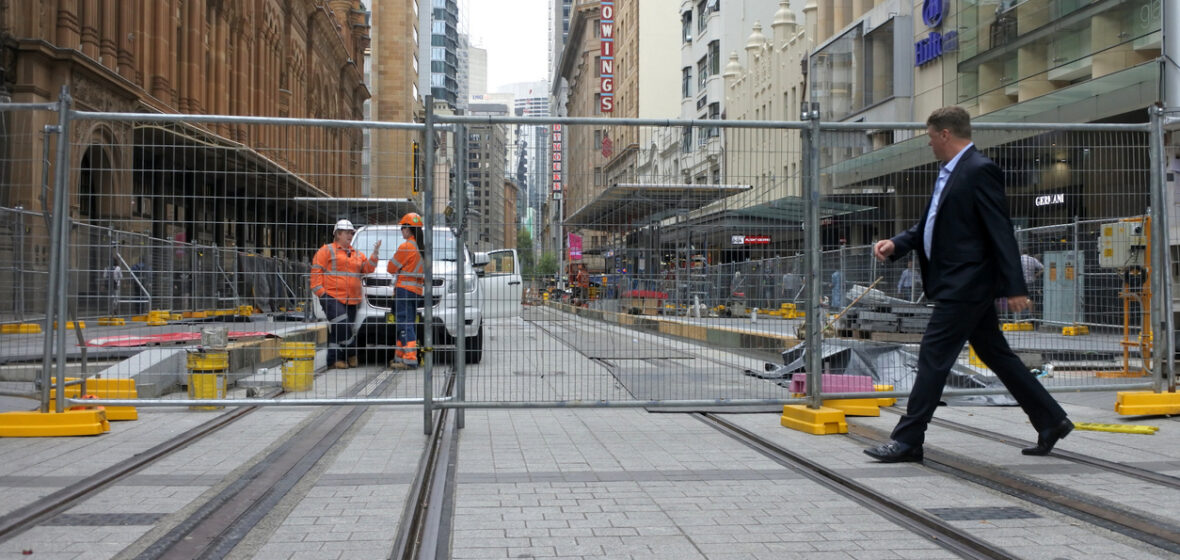
- In upholding a class action brought by business owners affected by the construction of the Sydney light rail, the High Court has clarified the test for private nuisance.
- The High Court rejected a generalised test of ‘unreasonableness’, instead endorsing an old ‘rule of give and take, live and let live’.
- Under that test, nuisance occurs where there is a substantial interference with enjoyment of land, and the defendant either used their land for a purpose that is not common and ordinary, or failed to take all reasonable steps to minimise the interference.
The boundaries of private nuisance ‘have long been seen as uncertain’ (Woodhouse v Fitzgerald (2021) 104 NSWLR 475 at [31] per Basten JA (Meagher and Payne JJA agreeing)). In general terms, the tort is committed when a person substantially and unlawfully interferes with another’s enjoyment of land. The ‘interference’ can be from noise, odours, dust, fumes, vibration or anything else falling short of trespass.