By Henry Ea -
A heavy, clinical stillness filled the courtroom as Damien Linnane’s life prepared for a radical rewrite.
It was late 2015, and although he had only recently celebrated completing a psychology degree, he stood in a fog of confusion, facing charges for a crime committed in a moment of desperation.
“I had no idea what was going on. And something that became really apparent while I was in that bail hearing is that my ability to understand what was going on was not a priority for the court or even my own lawyer,” he shared.
It remains a stark example of how even the most educated can be left powerless when fed into the gears of an unfamiliar system. He had no way of knowing then, but the descent into the belly of the justice system wouldn’t just be a punishment; it would be the catalyst for a transformation from a silent prisoner to a resonant voice for prison reform.
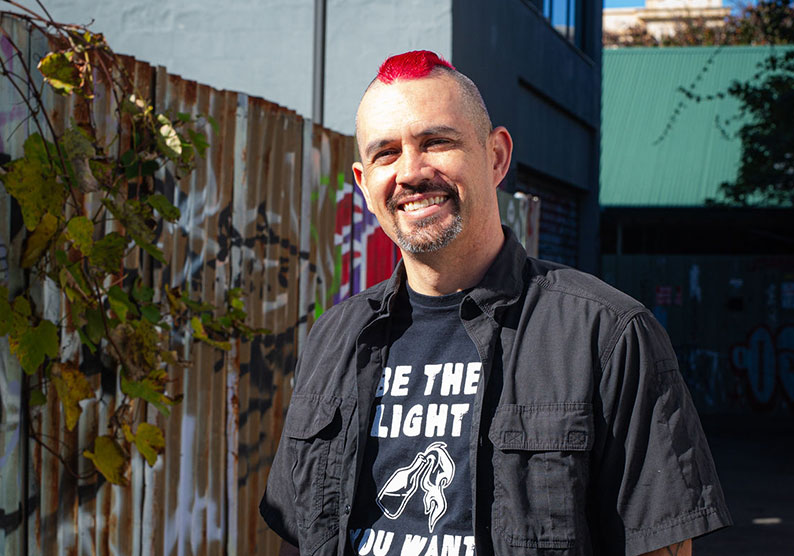
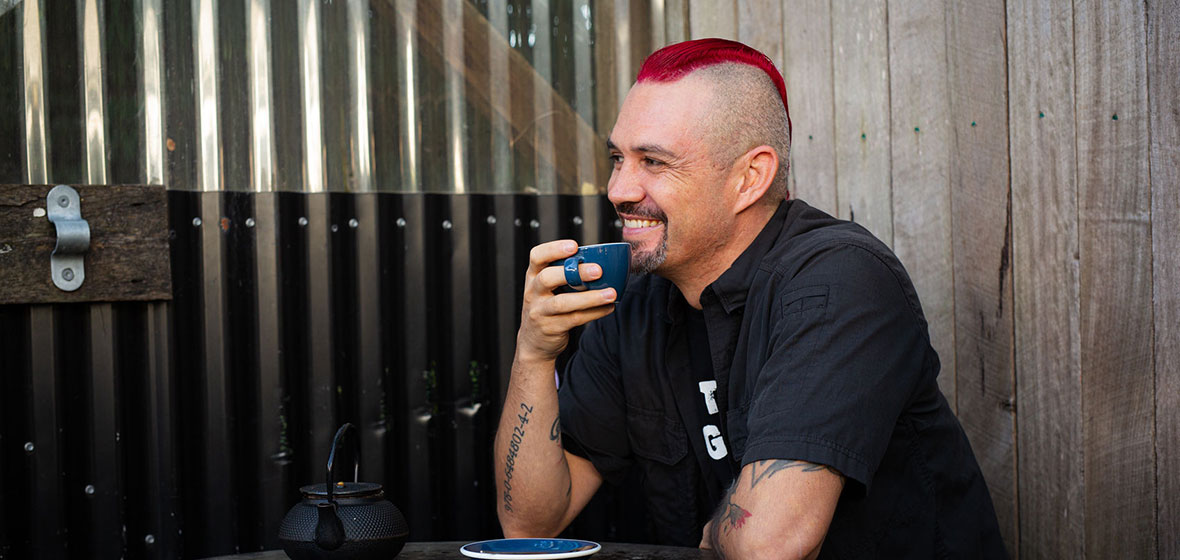
Speaking recently for the Law Society’s Staying Well in the Law series, Linnane—now an acclaimed artist, author, and PhD candidate—drew on a unique intersection of lived experience and academic rigour to offer a sobering look at the reality of the Australian criminal justice system that every legal practitioner needs to hear.
Defining his entry into the system as a series of bureaucratic ironies and a profound lack of transparency, Linnane’s presentation highlights a critical disconnect between the courtroom and the cell.
“I burnt down the home of an alleged sex offender, and the reason I did that was … because I had unresolved childhood trauma from being a victim of abuse myself.”
“[It] sounds a little facetious now, but it occurred to me that … maybe actually talking about the trauma would be a bit better than vigilante justice as a way of dealing with it.”
Despite seeking psychological help immediately after the crime—months before his eventual arrest—Linnane was deemed ineligible for an Intensive Corrections Order (ICO) because his autism diagnosis required specialist therapy not available in his hometown of Armidale in regional NSW.
“I couldn’t commute to get therapy. I had to be in the same town as my treating therapist. I needed to have a session every two weeks. My mental health care plan was exhausted, so I had to self-finance it, and they estimated that was going to cost $15,000 over the course of two years.”
He notes a striking irony: the government would not fund $15,000 for his community therapy but were willing to spend over $100,000 to incarcerate him–a figure that continues to climb today. He would spend 10 months behind bars.
“I still believe that going to jail was less stressful than trying to come up with $300 every fortnight to stay out of jail,” he reflects.
“I also began to gradually understand that people who work in the criminal legal system really have no idea of what prison is actually like.”
In the absence of formal therapy, Linnane turned to creative expression as a form of self-imposed rehabilitation. He wrote a crime novel titled ‘Scarred’, by hand and taught himself to draw, eventually leading him to edit Paper Chained, a literary magazine that provides a voice to incarcerated people worldwide.
Linnane’s session is a masterclass in empathy and systemic critique. He highlights how lawyers often don’t realise that a “low to medium” reoffending risk rating actually disqualifies a prisoner from rehabilitation programs. It also offers practitioners a roadmap for more effective advocacy by understanding the true limitations of prison “rehabilitation”.
Today, Linnane is channelling his experiences into systemic reform through a landmark Federal Court challenge. With the help of his pro bono legal team, he is seeking to secure Medicare access for prisoners—arguing that the current exclusion from the scheme is the primary barrier to adequate medical and mental health treatment behind bars.
By exposing the reality of a system where “rehabilitation goes to die,” Linnane continues to advocate for a justice model built on human dignity, healthcare equity, and the transformative power of the arts. His journey from the courtroom to the Federal Court serves as a powerful reminder that the path to reform is often paved by those who have seen the system at its most broken.
Missed the live session? You can watch Damien Linnane’s full presentation or catchup on other Staying Well in the Law sessions on demand at LawInform.