Why peer support matters for healthy lawyers
In new research, lawyers have described assistance from peers and supervisors as more important to their wellbeing than access to employee assistance programs.



In new research, lawyers have described assistance from peers and supervisors as more important to their wellbeing than access to employee assistance programs.
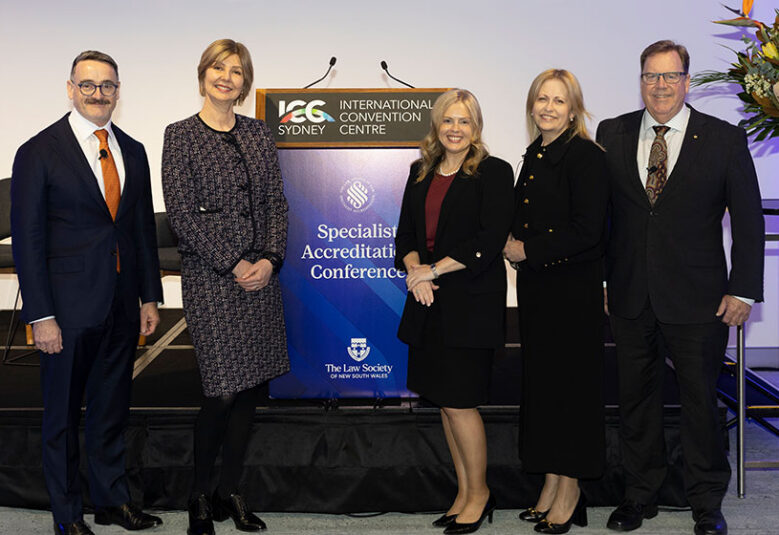
Close to 500 attendees were present on day one of the sold-out Specialist Accreditation Conference 2026 at the International Convention Centre Sydney on Thursday 13…
Key family law developments address disputed assets, challenges to consent orders, business valuation evidence and the welfare of a surrogate-born child.
Decisions on key principles governing trust property, procedural fairness, parenting orders and s 75(2) adjustments.

Australians over 50 are increasingly choosing to divorce at a time when the overall divorce rate is declining.
The courts discuss procedural fairness, gifts and third parties in the context of property contributions, and anti-suit injunctions.
The courts grapple with the relevance of past violence, consequences of non-disclosure and consideration of family violence in contributions assessment.
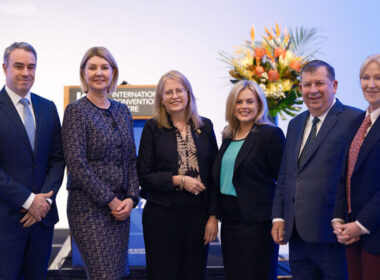
450 delegates, including esteemed members of the profession and judicial officers, gathered at the International Convention Centre (ICC) for day one of the Specialist Accreditation…

The Family Law Amendment Act 2024 reshapes solicitor obligations: are your workflows, advice templates, intake forms and disclosure protocols ready?
The family courts discuss the parentage of a child born by in vitro fertilisation, binding financial agreements without independent legal advice, and more.

Three outstanding lawyers. A combined 91 years of experience. Tucked inside a sun-drenched Wollongong studio, the Journal asks for their thoughts on an ever-shifting profession.

Lorelle Longbottom almost became a medical scientist but was inspired to pursue a career in law because she had a desire to help people.

Recent Australian cases reveal the legal and clinical complexities of hormone treatment for young people amid global policy shifts and contested expert evidence.