Bodily autonomy as a ‘lawful interest’: what Potter means for NSW practitioners
By elevating bodily integrity and personal safety within the analysis, the High Court has provided fresh guidance on a recurring evidentiary issue.



By elevating bodily integrity and personal safety within the analysis, the High Court has provided fresh guidance on a recurring evidentiary issue.

The Court revisited the Kable doctrine and struck down an ancient law, highlighting the cost of legislative inertia and delayed statutory reform.

BQ v The King demonstrates an expanding scope for counterintuitive evidence and clarifies how expert context guides juries without straying into vouching.

“It wasn’t me, it was my brain.” The rate of neuroscientific evidence being mentioned in US court cases doubled between 2005 and 2012. While still…

Reporting and analysis of the latest key judgments from the High Court of Australia. By ANDREW YUILE.
Reporting and analysis of the latest key judgments from the High Court of Australia. By ANDREW YUILE.

The misinformation effect occurs when an eyewitness subsequently reads or hears information about the witnessed event that is inaccurate and unwittingly incorporates it into his…
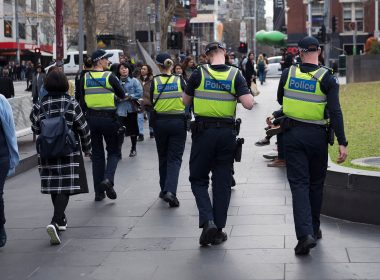
The case of Haidari v R [2015] NSWCCA 126 raised questions of what is opinion evidence and what is evidence of fact. By CAROLINA LEWIN…
Reporting and analysis of the latest key judgments from the High Court of Australia. By THOMAS HURLEY.

The first article of this two-part series considered general admissibility issues relating to electronically stored information (ESI) under the Evidence Act NSW and tips to overcome objections….

There is rarely a civil case in which an email, text, Facebook entry or webpage snapshot doesn’t feature, yet electronic evidence is often tendered without…