By Karl Hoerr -
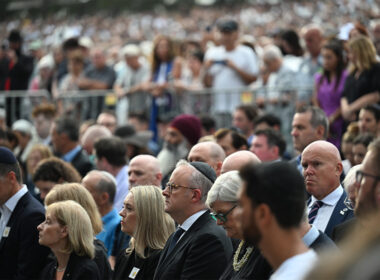
Three-and-a-half weeks after two gunmen opened fire on a Jewish event at Bondi Beach, killing 15 people, Prime Minister Anthony Albanese has confirmed a national Royal Commission will be held.
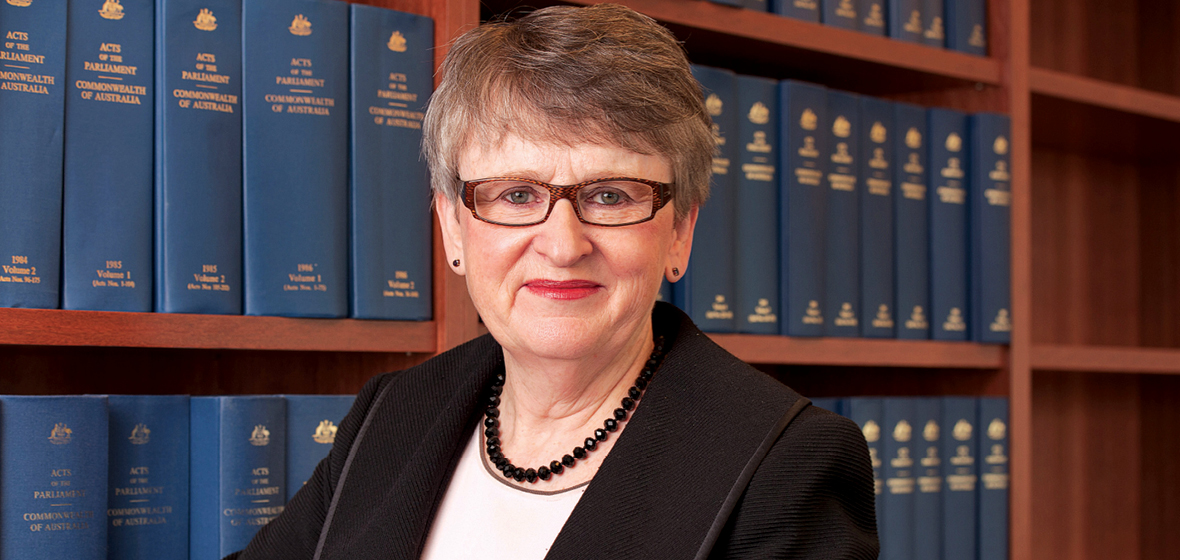
The probe will be conducted by former High Court and Supreme Court of NSW judge, Virgina Bell AC. Explaining the decision at a press conference in Canberra, Albanese said, “I’ve taken the time to reflect, to meet with leaders in the Jewish community and most importantly, I’ve met with many of the families of victims and survivors of that horrific attack.”
Until now, the government had resisted calls for a Commonwealth Royal Commission, instead ordering a review of federal law enforcement and intelligence agencies to be conducted by former Defence and DFAT Secretary Dennis Richardson AC.
The government had previously expressed concerns that such an inquiry would re-platform hateful voices. There was mounting pressure for a national Royal Commission from many different sources, including the families of victims, Jewish community leaders, political and legal figures.
The Prime Minster said he had stated repeatedly that the government’s priority was to promote unity and social cohesion. “It’s clear to me that a Royal Commission is essential to achieving this.”
Work conducted by the Richardson review, will be folded into the Royal Commission, which will deliver an interim report in April. The inquiry will cover four key areas:
- Tackling antisemitism by investigating the nature and prevalence of antisemitism.
- Making any recommendations to assist law enforcement and other authorities to tackle antisemitism.
- Examine the circumstances surrounding the Bondi terrorist attack.
- Make any other recommendations for strengthening social cohesion in Australia.
Albanese said Commissioner Bell will be asked to report before 14 December 2026. “This won’t be a drawn-out process.” She will also be asked to ensure the inquiry does not prejudice any future criminal proceeding.
Speaking at the press conference, the decision was welcomed by Special Envoy to Combat Antisemitism, Jillian Segal AO. “[I] think it’s important that the government has listened to all those who’ve advocated for such a Commission. It does reflect the seriousness of the growth in antisemitism and its impact on our country and our democracy.”
In a statement, Law Council of Australia President Tania Wolff also welcomed the announcement. “A Royal Commission is the most rigorous investigative mechanism available under Australian law,” said Wolff. “It allows complex and systemic issues to be examined thoroughly, evidence to be tested, and recommendations to be made that can strengthen community safety, social cohesion and confidence in our legal system.”
Home Affairs Minister Tony Burke said the Royal Commission had been structured with several factors in mind. “[T]he government has crafted this in a way that makes sure that we are clearly listening in particular to the pleas that have come from family members and relatives but doing so in a way that does not slow down our response and doing so in a way that also maximises the capacity for social cohesion.”
Attorney General Michelle Rowland said the inquiry would be in addition to many other steps being taken. “The Royal Commission will build on those immediate actions the government has taken and is taking now to crack down on those who spread hate, division and radicalisation in our community. And that includes our proposed legislation to further combat hate speech and its harmful consequences.”
Rowland said Royal Commissions were “complex undertakings”, but the inquiry would commence as soon as practicable.
Main image, Virginia Bell AC (Photo, Gillianne Tedder)