
By LSJ Team -
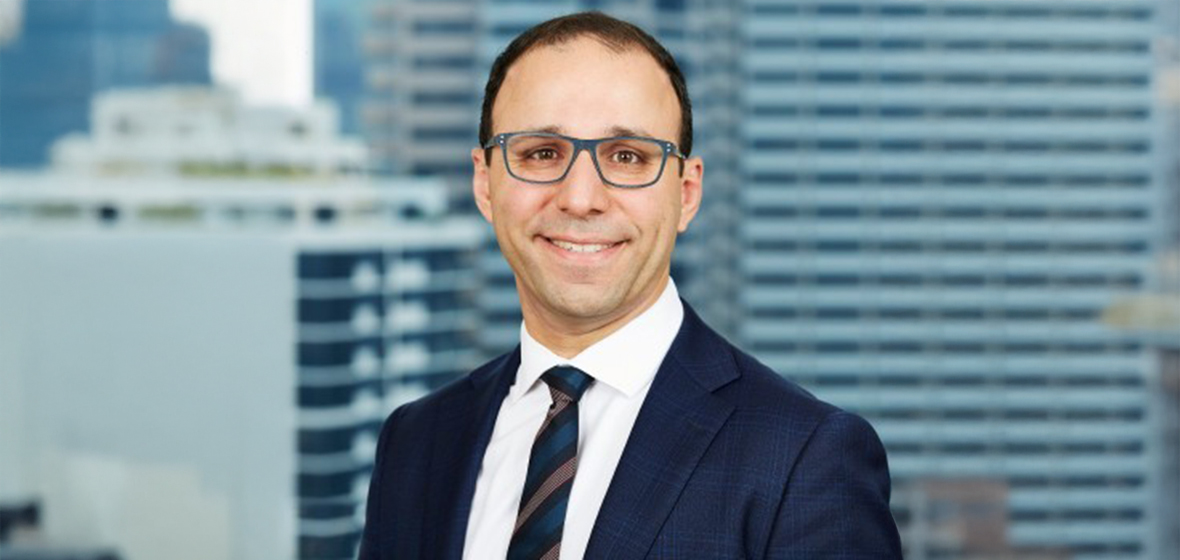
LSJ Online asks Accredited Specialists why they embarked on the program and their advice to others who are considering applying. This month we speak to Elias Yamine, Accredited Specialist in Commercial Litigation.
Why did you undertake Specialist Accreditation?
I have been practising in commercial litigation for over 20 years now. It is an area that I am passionate about. I have always been keen to continue learning. I completed a Masters in Commercial Litigation. That course reminded me of the value of continuing to refresh my skills so that I could continue to deliver the very best advice to my clients who were navigating business disputes whilst trying to run a successful business. I wanted to further challenge myself and decided to undertake the Specialist Accreditation program.
What did you gain from completing the Program and what did it teach you?
The program was an excellent way to build on and apply my knowledge to solve commercial litigation disputes. I was able to consolidate my learnings across the broad spectrum of commercial litigation disputes. The program reinforced that there was no substitute for proper planning and the need to be agile when an urgent matter arises at work, but you have an assessment due as well as family commitments to meet.
When did you know it was the right time to undertake the Program?
After I completed my Masters in Commercial Litigation, I decided to set up my own boutique commercial litigation firm. The legal industry was changing, and I observed that specialisation was becoming a critical point of difference for clients. It was not uncommon for clients to seek legal advice from multiple firms, where seeking specialist advice was becoming a strategic driver for business decision making. Once the new practice was set up and running, I could not pass up the chance to complete the program when it was next offered.
What are the benefits of being an Accredited Specialist?
The main benefit of being an Accredited Specialist is that I have been recognised by my peers as a leader in commercial litigation. This provides independent validation of my competence and skills in the area. That is a practical point of difference, particularly when I am speaking with business owners I meet along the way, that I have expertise and competence to assist them to resolve their business dispute. Also, I am required to continue learning to maintain my accredited specialist status on an annual basis.
What does it mean to you to be able to call yourself an Accredited Specialist?
I am recognised as a leading practitioner in commercial litigation. My clients have confidence that the advice I give them is tailored to their business needs. This also allows me to give back to the profession by mentoring junior practitioners who are considering specialisation as their career progresses.
How has being an Accredited Specialist impacted your daily practice?
By being an Accredited Specialist, new clients have that reassurance that I am an expert in my field. This helps to build trust, credibility and long-term relationships with new and existing clients.
What is the best advice you would give to someone who is considering undertaking Accreditation?
The advice I would give is do not be daunted by the challenge of completing the program. The key thing is to have confidence in your abilities and to back yourself. I remember that juggling work and family commitments was a key challenge. Make sure you have a plan to allow yourself the time to meet the requirements of the program and demonstrate your expertise.
What was the best part about participating in the Program?
The best part was challenging myself to rise above all the other competing demands and overcoming those challenges to show that I am an expert commercial litigation lawyer.