By Benjamin J. Richardson and Sarah Brugler -
Snapshot
- Conservation covenants are becoming an increasingly important part of rural land law in Australia, offering a powerful but under-recognised tool for protecting biodiversity on private property.
- Lawyers advising on covenanted land need to navigate complex issues—from eligibility and land use restrictions to financial incentives and development risks.
- As governments expand conservation efforts, legal practitioners will increasingly encounter these covenants, making it essential to understand their practical and legal implications.
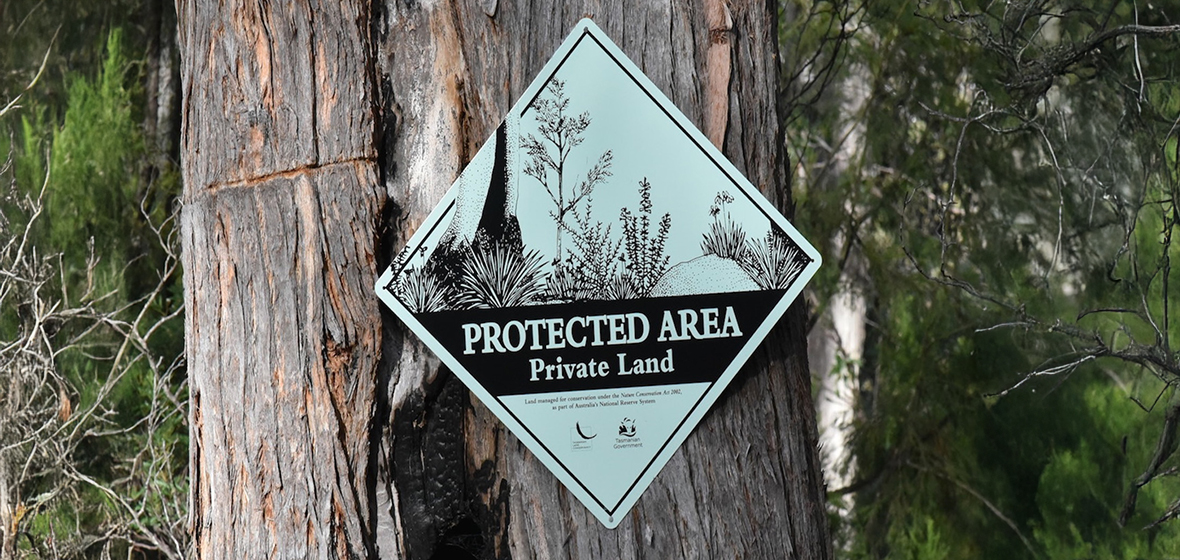
Most property lawyers in Australia are likely familiar with restrictive covenants. Many might not be aware of another type of land covenant increasingly used in rural areas of the country: the conservation covenant. This is an agreement established under legislation for the purpose of nature conservation between a landholder and a government agency or an authorised non-governmental organisation, which is then registered on the property title of the covenantor, thereby binding both current and future owners. All states in Australia, along with the Northern Territory, have laws allowing for conservation covenants, such as the Biodiversity Conservation Act 2016 in NSW, the Conservation Trust Act 1972 in Victoria and the Nature Conservation Act 2002 in Tasmania.