
By Christopher McDonald -
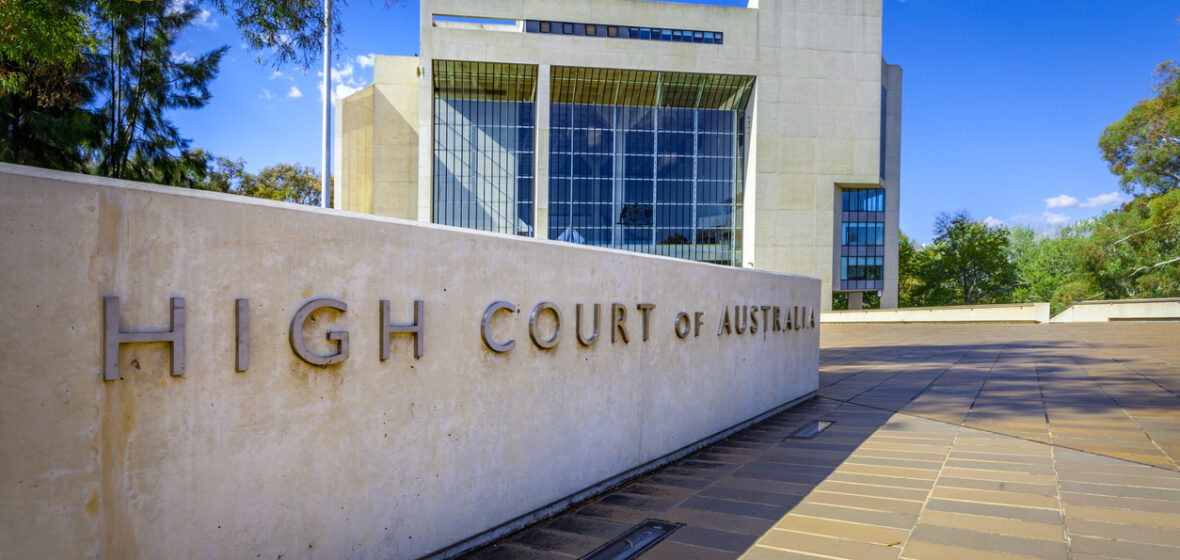
It has been 11 years since the High Court landmark decision in Bugmy v The Queen, which identified how courts were to take into account a person’s background including disadvantage and deprivation.
The Future Focussed Sentencing Workshop in Central West NSW earlier this year brought together a range of services to address how practitioners and courts could more effectively address disadvantage and the needs of those before the courts, with an emphasis on local solutions.
The event was a collaboration between Legal Aid NSW and the NSW Department of Communities and Justice, with support from Charles Sturt University; the Bar Association and the Central West Law Society. The central aim of the workshop was to explore the most effective ways to address disadvantage within the sentencing framework.
Judge Penny Musgrave presides over the NSW District Court Central West courts sitting at Orange and Bathurst. In a workshop held earlier this year, Judge Musgrave identified the potential across those courts, to enhance the connections between services and supports, and those before the court, by bringing together the legal profession, Aboriginal Community Controlled Organisations (ACCOs) to connect these services and other service providers.
NSW Supreme Court Justice Dina Yehia, who spoke at the workshop, said “I think it is important to acknowledge that these initiatives and conversations are occurring across different courts in different jurisdictions.
There is an appetite amongst those who work in the criminal justice system and who have a role to play in the administration of justice, to seek more meaningful approaches and solutions for the individuals who come before the courts and, by extension, to the community at large,” she said.
The Bugmy principles and the Bugmy Bar Book resources were central to the workshop.
The principles from Bugmy are the foundation for the Bugmy Bar Book which provides an evidence base for establishing the impacts of adverse experiences and consideration of holistic, therapeutic and strengths-based approaches to justice.
Judge Musgrave observed these issues were central to many matters coming before the District Court in Orange and Bathurst on sentence or appeal. It was apparent the Bugmy Bar Book had been effective in understanding and evaluating adverse experiences. The experience in Central West courts, Judge Musgrave said, was that the impacts of disadvantage were often identified, and not in contest. How to respond to the identified impacts, and present evidence of possible responses and the potential for reform, are areas that remain challenging.
The workshop provided an opportunity to understand the current community supports and programs available and how these services can be linked with offenders. The availability and connection to appropriate services, including culturally safe services for First Nations people, is critical to judicial decision making in sentencing. These include findings relating to risk, prospects of rehabilitation, likelihood of re-offending and assessing whether not a person should serve a sentence of imprisonment in full-time custody or in the community pursuant to an intensive corrections order.
The discussion also included sharing perspectives on the application of the Bugmy principles and the Bugmy family’s local ties reminded attendees of respecting local history and culture in solution-building.